- Home Page /
- Books /
- Computers & Technology /
- Networking & Cloud Computing /
- Network Security /
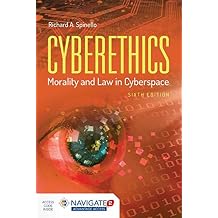
- Cyberethics: . 6th Edition

Item #:
1904794
Cyberethics: . 6th Edition
Item #:
1904794
MDL 1826
Price Details
Excluding Shipping & Custom charges ( Shipping and custom charges will be calculated on checkout )
*All items will import from US
0 ratings
Write a review
In stock
 Imported from USA store
QTY:
Order now and get it around Sunday, July 05
Secured transaction
Ubuy works hard to protect your security and privacy. Our advanced payment security system ensures confidentiality by encrypting your information during transmission using AES (Advanced Encryption Standards) and SSL (Secure Socket Layer) protocols. Your payment details are 100% secure as we do not share your payment details with third party sellers.
Our Top Logistics Partners


A modern, comprehensive examination of the social costs and moral issues emerging from the ever-expanding use of the internet and new information technologies, as well as internet governance and its control by the state.

Fast
Shipping

Free
Return*

Secure Packaging

100% Original Products

PCI DSS Compliance

ISO 27001 Certified


Note: Step Down Voltage Transformer required for using electronics products of US store (110-120). Recommended power converters Buy Now.


What Stands Out
Comprehensive Coverage
The 6th edition offers an extensive exploration of cyberethics, addressing current issues and trends, ensuring readers grasp a complete understanding of ethical dilemmas in the digital age.
Updated Examples
New case studies and real-world examples reflect the latest developments in technology and ethics, providing practical insights that resonate with today's students and professionals in cybersecurity.
User-Friendly Layout
The intuitive organization and engaging format enhance readability, making complex ethical concepts accessible, which benefits learners across various disciplines interested in navigating cyberethics effectively.
Product Details
| Item Weight | 2 lbs (910 grams) |
Who Should Buy?

-
Students
Ideal for students studying ethics in technology and cybersecurity, providing comprehensive insights and case studies.
-
Educators
Useful for educators teaching courses on cyber ethics, offering extensive materials and discussion topics.
-
Professionals
Beneficial for IT professionals needing to understand ethical implications of technology in their work environment.

-
General Readers
Not suitable for casual readers without a background in technology or ethics; it may be too complex.
-
Beginner Students
May overwhelm beginners lacking prior knowledge in technology ethics, as it covers advanced topics extensively.
-
Non-technical Users
Individuals not involved in tech or cybersecurity may find the material irrelevant or challenging to grasp.
Product Description
Cyberethics: . 6th Edition
Have any Query? Chat with us
Customer Questions & Answers
-
Question:
What is the main focus of Cyberethics: Morality and Law in Cyberspace?
Answer: Cyberethics: Morality and Law in Cyberspace primarily focuses on the ethical implications and legal frameworks surrounding digital behavior and technology. It explores issues such as privacy, intellectual property, and the responsibilities of online behavior. Understanding these aspects is essential for navigating today's digital landscape, which is rife with moral dilemmas. For instance, this book can help students, tech professionals, and policymakers grapple with complex scenarios involving data privacy violations or cyberbullying. -
Question:
Who is the intended audience for Cyberethics: Morality and Law in Cyberspace?
Answer: The intended audience for this book includes students in fields such as law, computer science, and ethics, as well as professionals navigating technological advancements. Academics and researchers can also benefit, as the content stimulates critical thinking on the intersection of technology and ethics. This makes it an invaluable resource for classroom discussions, workshops, or self-study for anyone interested in understanding the moral responsibilities that come with cyberspace engagement. -
Question:
How does Cyberethics address the issue of online privacy?
Answer: Cyberethics delves into the complexities of online privacy by examining the ethical responsibilities of individuals and organizations regarding personal data. It emphasizes the need for informed consent and transparency in data handling practices. This is particularly relevant in discussions about social media platforms and data breaches, where users often lack clarity on how their information is used. By highlighting these issues, the book encourages readers to advocate for better privacy protections. -
Question:
Can Cyberethics help in understanding intellectual property rights in the digital world?
Answer: Yes, Cyberethics provides a thorough analysis of intellectual property rights as they relate to digital content. It elucidates how copyright laws evolve to meet the challenges posed by digital reproduction and distribution. This knowledge is vital for creators, marketers, and educators, as it helps them navigate complexities associated with content sharing and licensing. For example, artists and writers can leverage this information to ensure they protect their work when sharing it online. -
Question:
What role does Cyberethics play in fostering responsible digital citizenship?
Answer: Cyberethics plays a crucial role in fostering responsible digital citizenship by highlighting the importance of ethical behavior online. It discusses the impact of actions like trolling, hacking, and spreading misinformation on individual and community wellbeing. Understanding these principles equips users with the knowledge to make responsible choices, supporting a healthier online environment. This is particularly beneficial for educators teaching students about acceptable digital interactions and civic responsibilities. -
Question:
How are contemporary issues like cyberbullying covered in Cyberethics?
Answer: Cyberethics addresses contemporary issues such as cyberbullying by exploring its ramifications on victims and the ethical responsibilities of bystanders and platforms. The book encourages discussions on how technology can both facilitate and combat these behaviors. Understanding these dynamics is crucial for parents, educators, and community leaders aiming to promote safer online spaces for youth. Real-life case studies can serve as powerful discussion starters in educational settings. -
Question:
What ethical dilemmas related to AI and automation are discussed in Cyberethics?
Answer: Cyberethics explores various ethical dilemmas related to AI and automation, such as bias in algorithms and the implications of machine decision-making. The book outlines the need for ethical frameworks to guide technology developers in mitigating risks. This becomes especially relevant for professionals in tech or policy-making roles who are responsible for implementing AI solutions. By understanding these ethical considerations, individuals can contribute to the responsible advancement of technology. -
Question:
Is Cyberethics suitable for individuals not in academia?
Answer: Definitely, Cyberethics is suitable for individuals beyond academia, including business leaders, policymakers, and concerned citizens. The principles outlined are applicable in various settings, such as corporate environments where digital policy is implemented or governmental agencies addressing cybersecurity. Anyone interested in the social implications of technology and how to navigate them will find the discussions in this book beneficial for their personal and professional growth. -
Question:
Does Cyberethics offer practical solutions or frameworks for its readers?
Answer: Yes, Cyberethics offers practical solutions and frameworks for readers to apply in addressing ethical issues related to cyberspace. It provides guidelines on developing ethical standards within organizations and fostering an environment that values responsible online conduct. This can aid businesses in crafting internal policies or individuals in making conscious choices about their digital footprint. By applying these frameworks, readers can contribute positively to their communities and workplaces. -
Question:
Where can I buy Cyberethics: Morality and Law in Cyberspace in Moldova?
Answer: You can buy Cyberethics: Morality and Law in Cyberspace from Ubuy in Moldova. Ubuy offers a variety of options for acquiring this book, making it convenient for you to access this important resource on cyber ethics and related topics.
Network Security Editorial Review
Cyberethics: Morality and Law in Cyberspace 6th edition is a textbook that delves into the intersection between cyber technology and ethics. The book covers topics such as cybercrime, privacy, intellectual property, and cybersecurity. While the book is informative and well-written, it may prove to be difficult to get through for some readers as it is quite dense and packed with information on every page. However, the case studies provided at the end of each chapter helped to contextualize some of the information presented. Overall, Cyberethics: Morality and Law in Cyberspace is an insightful and informative textbook for those interested in the ethical implications of technology.
Customer Reviews & Ratings
1 customers ratings
-
5 Star
100%
-
4 Star
0%
-
3 Star
0%
-
2 Star
0%
-
1 Star
0%
Review this product
Share your thoughts with other customers
Pros
- Informative and well-written
- Covers important topics such as cybercrime, privacy, intellectual property, and cybersecurity
- Case studies at the end of each chapter are helpful in contextualizing information
Cons
- Dense and packed with information on every page, may be difficult to get through for some readers
Product Price History
Important information
- Limitations : For products shipped internationally, please note that any manufacturer warranty may not be valid; manufacturer service options may not be available; product manuals, instructions, and safety warnings may not be in destination country languages; the products (and accompanying materials) may not be designed in accordance with destination country standards, specifications, and labeling requirements; and the products may not conform to destination country voltage and other electrical standards (requiring use of an adapter or converter if appropriate). The recipient is responsible for assuring that the product can be lawfully imported to the destination country. When ordering from Ubuy or its affiliates, the recipient is the importer of record and must comply with all laws and regulations of the destination country.
- Not all the products listed on Ubuy are for sale, as Ubuy is a global search engine. Products are subject to export/trade regulations.
MDL 1826
Order now and get it around Sunday, July 05
This item is not restrict in my country.(Please click on above link if this item is not restrict in your country, So our team will review and allow.)
QTY:
Secured transaction
Ubuy works hard to protect your security and privacy. Our advanced payment security system ensures confidentiality by encrypting your information during transmission using AES (Advanced Encryption Standards) and SSL (Secure Socket Layer) protocols. Your payment details are 100% secure as we do not share your payment details with third party sellers.
Our Top Logistics Partners
Fastest cross-border delivery
Features & Benefits
- Provides a detailed exploration of the social costs and moral dilemmas arising from internet use.
- Includes new case studies on modern issues like privacy, free speech, and intellectual property rights.
- Expands on topics like net neutrality, internet governance, and encryption controversies.
- Incorporates a section on challenges to intellectual property rights posed by digital books.
- Comes with Navigate 2 Advantage Access for an enhanced learning experience.
- Includes instructor resources like Test Bank and PowerPoint slides.